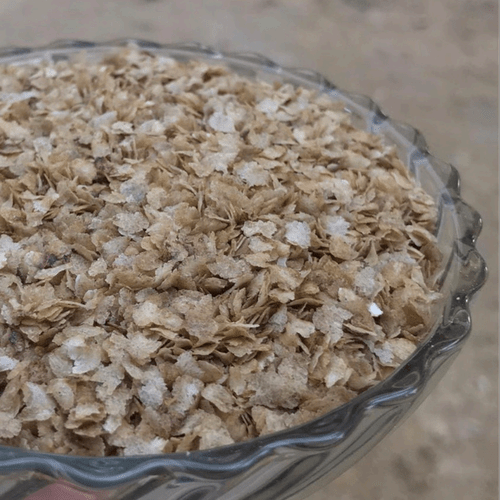
While barnyard millet offers numerous health benefits, it is essential to be aware of potential buy millet flakes side effects of sanwa millet and take precautions:
Goitrogens and Thyroid Function: Udalu millet, like other millets, contains goitrogens, substances that can interfere with thyroid function. Individuals with thyroid conditions, especially those with hypothyroidism, should moderate their intake of jhangora and consult with a healthcare professional.
Allergies: Although rare, some people may be allergic to millet flour. If you experience any adverse reactions after consuming barnyard millet, such as skin rashes, itching, or swelling, discontinue use and seek medical advice.
Digestive Sensitivity: Some individuals may experience digestive discomfort, such as bloating or gas, when introducing kudiraivali into their diet. Start with small portions and gradually increase the amount to allow your body to adjust.
Oxalate Content: Barnyard millet/ little millet contains oxalates, naturally occurring compounds that can contribute to the formation of kidney stones in susceptible individuals. If you have a history of kidney stones or are prone to developing them, it’s advisable to moderate your intake of foods high in oxalates, including kuthiraivali.
Hypoglycemia Risk: While Udalu millet has a low glycemic index, individuals with diabetes or those on blood sugar-lowering medications should be cautious. Consuming large quantities of the millet without considering portion sizes and carbohydrate intake may lead to low blood sugar levels (hypoglycemia). Regular monitoring of blood sugar levels is recommended.
Phytic Acid Content: Like other grains, jhangora contains phytic acid, which can bind to minerals like iron, calcium, and zinc, reducing their bioavailability. Soaking, fermenting, or sprouting barnyard millet can help reduce phytic acid levels and improve mineral absorption.
Interference with Medications: Kudiraivali contains certain compounds that may interfere with the absorption or efficacy of certain medications. If you are taking any medications regularly, especially those with specific absorption requirements, consult with your healthcare provider to ensure there are no potential interactions.
 Site Title
Leave a comment